




How to Choose the Right Solar Mounting System for Industrial & Commercial Rooftop Projects in 2026
Date: 09-07-2026 | Author: Sugatu
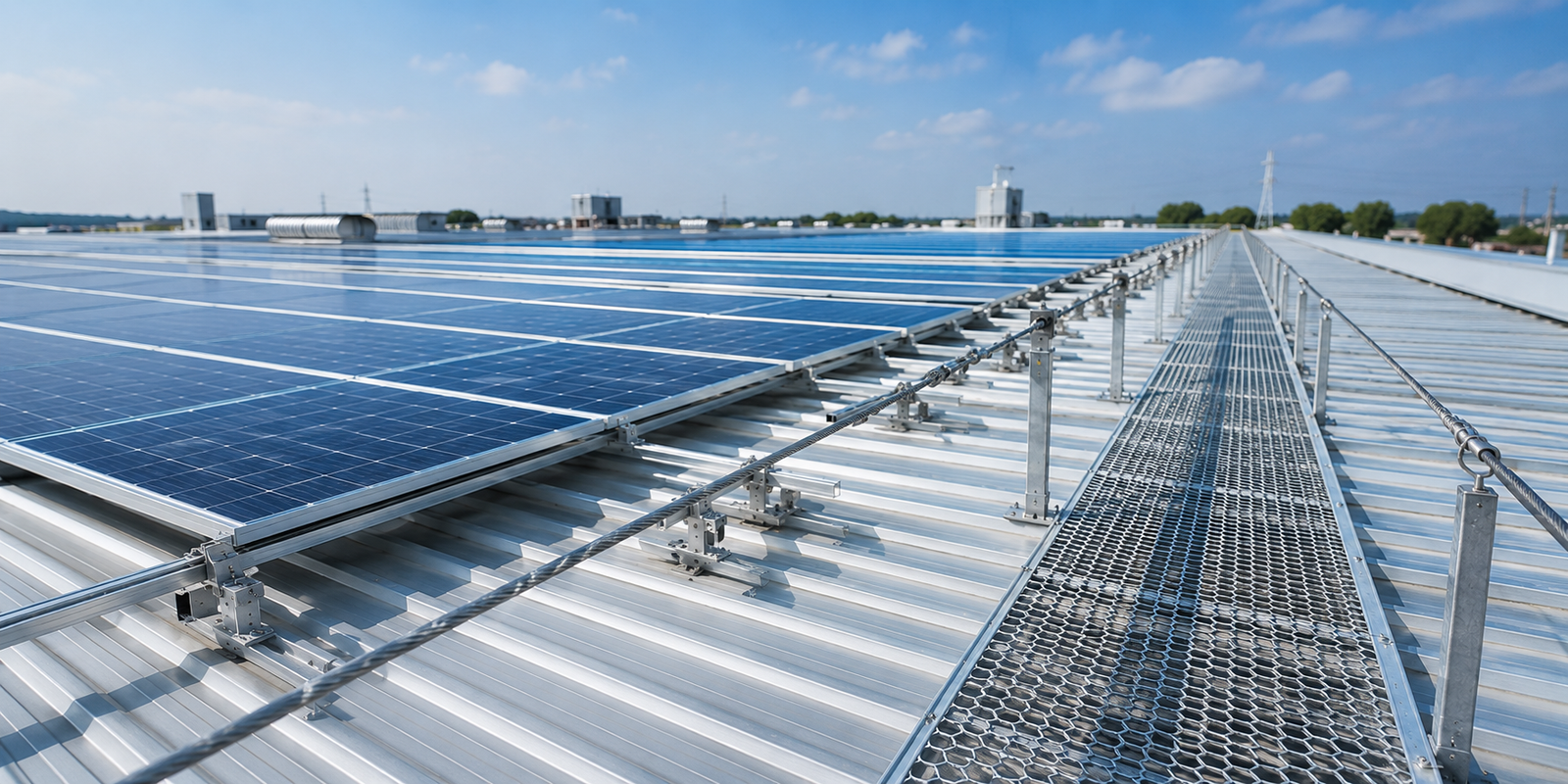
How to Choose the Right Solar Mounting System for Industrial & Commercial Rooftop Projects in 2026
India's commercial and industrial solar sector continues to expand rapidly, with businesses increasingly investing in rooftop solar installations to reduce electricity costs and achieve long-term sustainability goals. While solar panels often receive the most attention, the true backbone of every successful project is the solar mounting system. Without a reliable structural foundation, even the highest-efficiency solar modules cannot deliver their full performance over the lifespan of the installation.
A high-quality solar mounting structure does much more than support solar panels. It protects the entire system from wind, heavy rainfall, thermal expansion, corrosion, and continuous environmental exposure while ensuring safe installation and easier maintenance. Choosing the right mounting solution from the beginning can significantly reduce maintenance expenses, improve structural integrity, and maximize the return on investment for decades.
Why the Solar Mounting System Matters
Every rooftop solar installation depends on its mounting system for long-term stability. Whether installed on factories, warehouses, commercial buildings, educational institutions, or industrial facilities, the mounting structure is responsible for supporting thousands of kilograms of equipment throughout changing weather conditions.
A professionally engineered solar rooftop mounting system enhances structural safety, improves load distribution, simplifies maintenance, and helps protect valuable electrical infrastructure. High-quality systems also reduce installation time and minimize future repair costs, making them an essential investment rather than just another project component.
Choosing the Right Solar Mounting System
Selecting the right solar mounting system begins with understanding the project itself. Every rooftop has different structural characteristics, load capacities, environmental conditions, and installation requirements. Roof type, local climate, wind speed, rainfall, corrosion exposure, and maintenance accessibility all influence the ideal mounting solution.
Metal sheet roofs, RCC roofs, standing seam roofs, sandwich panel roofs, and industrial warehouse roofs all require different structural approaches. Choosing compatible mounting hardware ensures secure installation while preventing unnecessary roof damage or water leakage.
Material quality is equally important. Aluminium, Galvalume, and Hot-Dip Galvanized Steel remain the preferred materials for modern solar mounting structures because they provide exceptional corrosion resistance, high structural strength, and a long operational life even in demanding industrial environments.
Another critical factor is wind resistance. Commercial rooftops are exposed to significant wind loads throughout the year. Properly engineered mounting systems are designed to withstand these forces while maintaining long-term stability and protecting valuable solar assets.
Ease of installation should also be considered during system selection. Well-designed components reduce labour time, simplify alignment, and help installers complete projects faster without compromising safety or quality.
Essential Components of a Complete Solar Mounting System
A modern solar mounting solution is much more than rails supporting solar panels. It is a complete ecosystem of structural and safety components working together to maximize performance, reliability, and durability.
One of the most widely used products in commercial rooftop installations is the Mini Rail System. Designed primarily for metal sheet roofs, mini rails provide a lightweight yet highly durable mounting solution. Their compact design reduces material consumption, accelerates installation, and lowers overall project costs while maintaining excellent structural strength.
Another essential component is the combination of Mid Clamps and End Clamps. These precision-engineered components securely fasten solar modules to the mounting rails while maintaining consistent spacing between panels. High-quality clamps improve load distribution, reduce movement caused by wind, and ensure long-term reliability across the entire installation.
Proper cable management is equally important in every solar project. A robust Solar Cable Tray protects electrical cables from mechanical damage, UV exposure, moisture, rodents, and environmental wear. Organized cable routing not only improves system reliability but also simplifies inspection, maintenance, and troubleshooting throughout the project's lifetime.
Maintenance safety has become a major priority in modern rooftop solar installations. A dedicated Solar Walkway provides technicians with secure access across rooftops without stepping directly on roofing sheets or solar panels. Walkways help distribute weight evenly, reduce accidental roof damage, and improve maintenance efficiency.
Worker safety extends beyond walkways. Installing a Solar Safety Line System enables maintenance personnel to move safely across rooftops while remaining connected to certified fall protection equipment. These systems have become an essential requirement for commercial and industrial solar installations where worker safety is a top priority.
Industrial rooftops frequently include fragile skylights that present significant fall hazards during maintenance. A properly designed Skylight Protection System provides a protective barrier over skylights, reducing workplace risks while allowing maintenance work to be carried out safely.
Electrical reliability also depends on quality accessories. Premium MC4 Connectors provide secure weatherproof electrical connections that minimize resistance, prevent energy loss, and ensure safe long-term operation under varying environmental conditions.
Common Mistakes During Solar Installation
Many rooftop solar projects experience avoidable problems because critical mounting components are treated as secondary purchases rather than essential investments. Choosing low-quality clamps, using incompatible mounting hardware, ignoring cable management, or omitting walkway and safety systems often leads to increased maintenance costs, reduced system reliability, and higher operational risks.
Similarly, using uncertified electrical connectors or selecting materials that are unsuitable for the local environment can significantly shorten the lifespan of the installation. Investing in a complete and professionally engineered solar mounting solution helps eliminate these issues while improving overall project performance.
Why Quality Always Delivers Better Value
Although lower-cost mounting components may reduce initial project expenses, they frequently result in higher maintenance costs, premature replacements, and increased downtime over the life of the system.
High-quality solar mounting systems provide superior corrosion resistance, stronger structural performance, faster installation, lower maintenance requirements, and a significantly longer service life. Since commercial rooftop solar systems are expected to operate reliably for more than twenty-five years, selecting premium mounting components becomes one of the most valuable long-term investments a project owner can make.
Why Businesses Choose Sugatu
Sugatu delivers complete solar mounting solutions engineered specifically for commercial and industrial solar projects across India. Our product portfolio includes Solar Mounting Structures, Mini Rail Systems, Mid Clamps, End Clamps, Solar Cable Trays, Solar Walkways, Solar Safety Lines, Skylight Protection Systems, MC4 Connectors, and a comprehensive range of mounting accessories designed to meet modern installation requirements.
Every product is developed with a focus on structural durability, corrosion resistance, installation efficiency, and long-term performance. Whether you are an EPC contractor, solar installer, distributor, or industrial project developer, Sugatu provides dependable solutions engineered to perform in demanding operating environments.
Final Thoughts
Selecting the right solar mounting system is one of the most important decisions in any commercial or industrial rooftop solar project. While solar panels generate electricity, the mounting structure supports every aspect of long-term system performance. Choosing reliable solar mounting structures, mini rails, mid clamps, end clamps, solar cable trays, solar walkways, solar safety lines, skylight protection systems, and certified MC4 connectors ensures greater safety, lower maintenance costs, and improved operational reliability throughout the life of the installation.
As India's rooftop solar market continues to grow in 2026, businesses are increasingly recognizing that investing in high-quality mounting solutions is not simply about supporting solar panels—it's about protecting the entire investment. By selecting trusted, durable, and professionally engineered components, project owners can achieve better performance, improved safety, and long-term value from every rooftop solar installation.
Frequently Asked Questions
What is a solar mounting system?
A solar mounting system is the structural framework that securely supports solar panels and protects them against wind, weather, and environmental conditions while ensuring long-term stability.
Which material is best for solar mounting structures?
Aluminium, Galvalume, and Hot-Dip Galvanized Steel are widely preferred because they provide excellent corrosion resistance, structural strength, and long operational life.
Why is a solar cable tray important?
A solar cable tray protects electrical cables from moisture, UV exposure, physical damage, and mechanical wear while keeping cable routing organized for easier maintenance.
Why are solar walkways used?
Solar walkways provide safe access for maintenance personnel, protect roofing surfaces, and improve overall maintenance efficiency without damaging the solar installation.
Why are high-quality mid clamps and end clamps important?
High-quality clamps securely fasten solar panels, maintain proper alignment, improve structural stability, and enhance the overall reliability of the solar mounting system, particularly in high-wind conditions.
